
Figure skating mental performance
Mental Coaching for Figure Skaters
Private sessions by Zoom for figure skaters, from first competitions to elite programs, including singles, pairs, ice dance and synchronized teams. Parents are welcome to start the conversation.
Book my free consultation20 minutes · No cost · No obligation
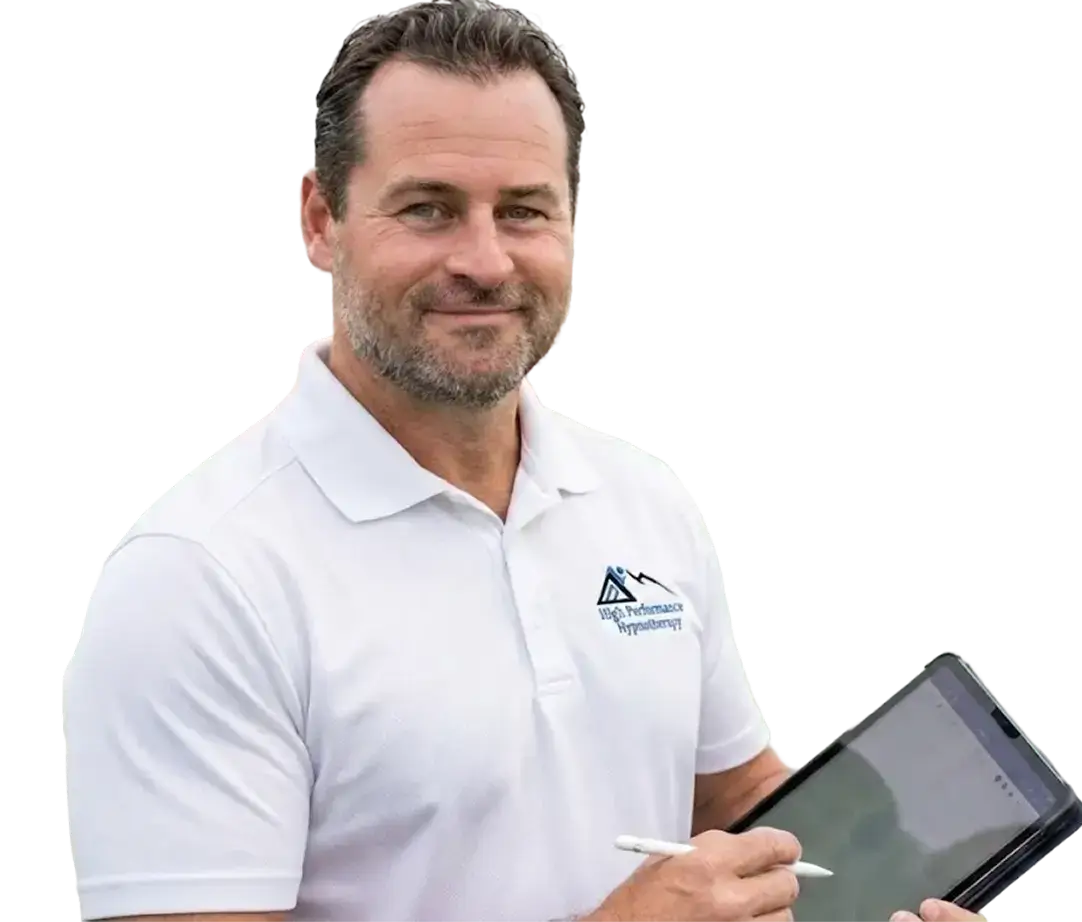
Work directly with Robert BarnettCertified Hypnotherapist · C.Ht., PMP, MBA

Free 20-minute consultation
No cost · No obligation · By phone
Figure skating asks athletes to be precise and expressive on a sheet of ice, alone with the music, in front of judges and a crowd. A jump that lands every day in practice can disappear at a competition. A fall can shake a skater’s confidence in the very next element, and a mistake in the first thirty seconds can follow a skater through the rest of the program. Many skaters, and their parents, describe it as a mental problem, not a physical one. Mental coaching and hypnosis train the skills that hold up under that pressure: calm, focus, a quick reset and trust in your training. Robert Barnett, C.Ht., PMP, MBA, is a certified hypnotherapist and mental performance coach with 35+ years of hypnosis experience. He has worked with figure skaters at the top levels of the sport, along with athletes in nearly every sport, and works with skaters and their parents by Zoom from anywhere.
When the mental side matters
Sound familiar?
Figure skaters who:
Lose a jump they know they can land
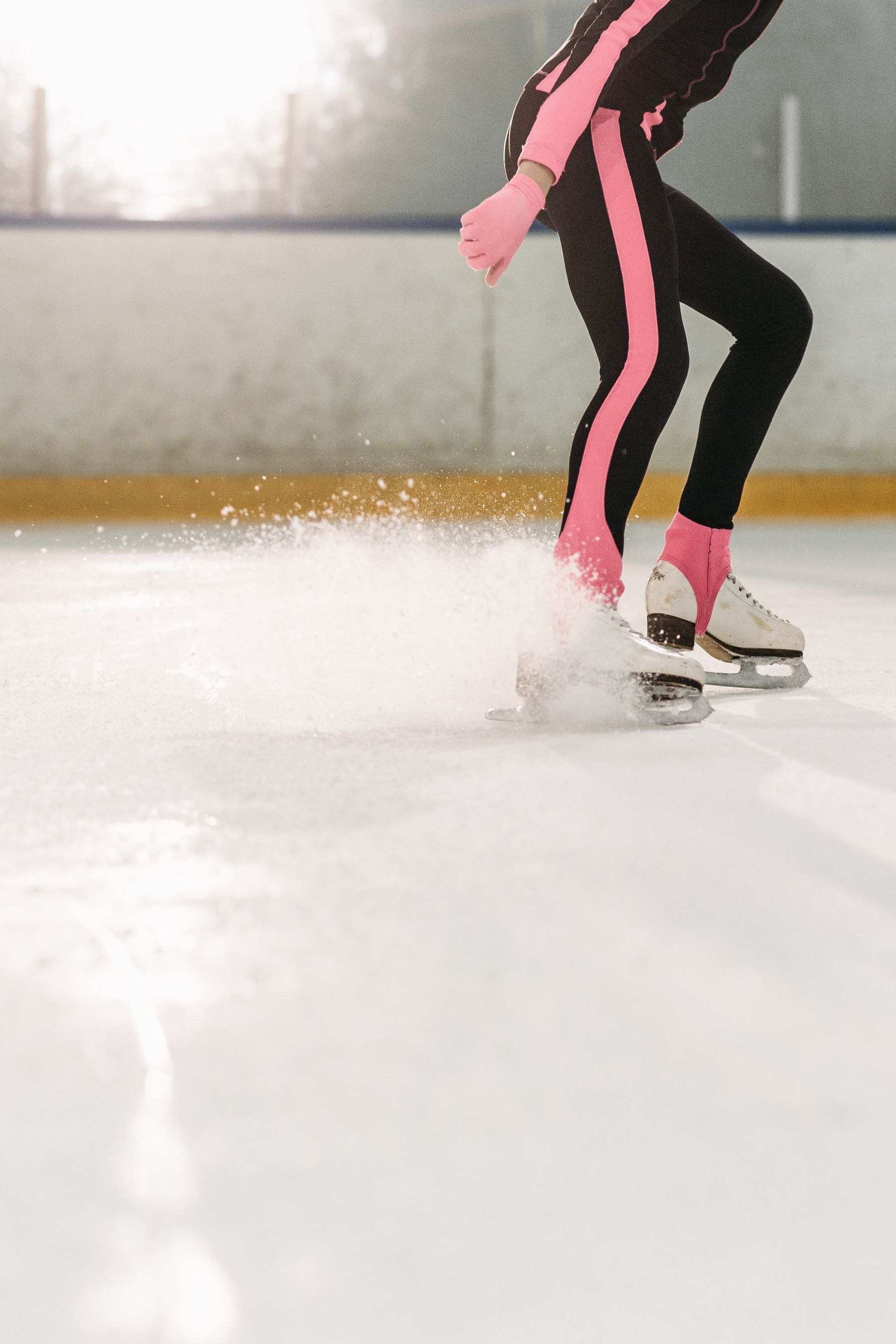
Land it in practice, then hesitate, pop it or avoid it at a competition, even though the skill is there.
Fear falling
Tense up before the takeoff, bail on the rotation or skate tentatively after a hard fall.
Freeze when the music starts
Feel their hands shake, their breath tighten or their mind go blank on the way to the start position.
Fall apart after one mistake
Let an early error carry through the program and cannot get back to the next element.
Skate better in practice than in competition
Run clean programs at home and cannot reproduce them in front of judges.
Feel the pressure of tests and qualifying
Carry the weight of a test, a qualifying event or a big season on every skate.
The pattern behind it
Why practice doesn’t always carry into competition
In practice, the stakes are low, so you skate on trained habit. In competition, with judges, a scoreboard and a crowd, the same jump or spin can feel like a threat, and an automatic stress response takes over: tension, a racing heart, rushed timing, doubt. Repetition and off-ice training improve your skating, but they do not change that response, because it runs below conscious thought. That gap is what mental coaching works on.
In Robert’s experience, many skaters focus on the result, such as the score, the jump or who is watching, and performance tends to improve when attention shifts to the process: what you can control, one element at a time.
The mental game plan
The solution: a mental plan built around your program
The work usually follows three steps, shaped around your program, your season and your goals:
Map your pressure moments
We pin down when and where your skating changes: a particular jump, the start position, the first element or the moment after a fall.
Rehearse a better response
Hypnosis and guided visualization work at the subconscious level, where automatic reactions live, so you can rehearse the focus and composure you want before you are in the moment.
Take a routine to the ice
You leave with a pre-skate routine, a focus cue for each element and a short reset you can use after a mistake or a fall.
Hypnosis is a state of focused attention, and it is one tool among several. Most pressure reactions, such as freezing, rushing or overthinking, are automatic habits that run below conscious thought, which is why willpower and positive thinking rarely fix them. We combine hypnosis with complementary methods: cognitive behavioral techniques (CBT) to identify and restructure the thoughts that feed doubt, NLP methods to change how you picture and respond to pressure situations, and subconscious pattern work to replace old reactions with new ones. In Robert’s experience, combining them gets results more quickly than any one alone. It is not mind control, and you stay in charge throughout.
Visualization is a core skill we teach, and we use it inside hypnosis. Research supports pairing skills: a 2025 meta-analysis of 86 studies found that imagery works better when combined with other psychological skills, which is why we pair it with hypnosis and cognitive tools.
Sessions are one-on-one by Zoom, so they fit around training, school and travel. Everything is built around your figure skating and the situations that trip you up. Robert offers three program lengths and recommends one after your free phone consultation. You start with a free 20-minute phone consultation. We talk through what happens when you compete and whether this is a fit. Your sessions are then held one-on-one by Zoom.
Mental coaching complements your coach’s training. It is not technical or tactical instruction in figure skating, coaching or medical advice about injuries or training, it is not medical advice, and it does not replace medical or mental health care. Progress is individual; results vary.
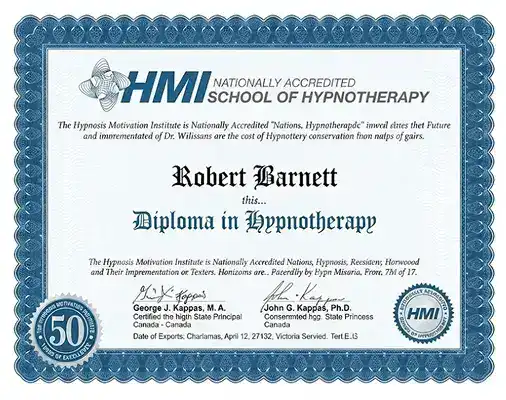 HMI · Diploma in Hypnotherapy
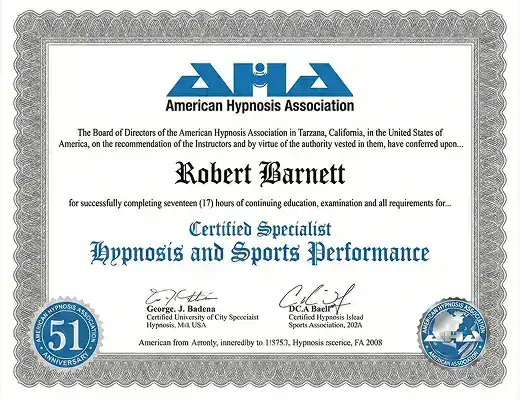 Sports Performance Training