
Endurance mental performance
Mental Coaching for Endurance Athletes
Private sessions by Zoom for runners, triathletes, cyclists and distance swimmers, from first-time racers to experienced competitors. Parents are welcome to start the conversation for young athletes.
Book my free consultation20 minutes · No cost · No obligation
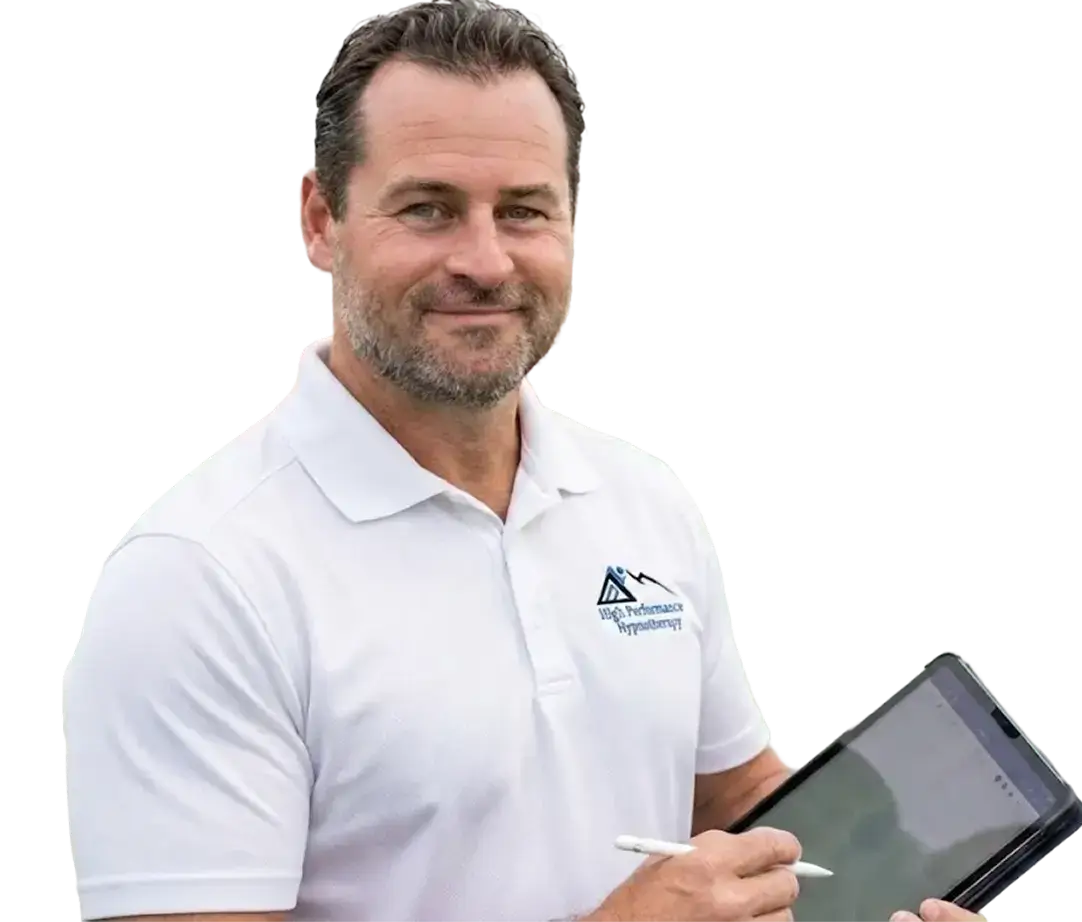
Work directly with Robert BarnettCertified Hypnotherapist · C.Ht., PMP, MBA
Free 20-minute consultation
No cost · No obligation · By phone
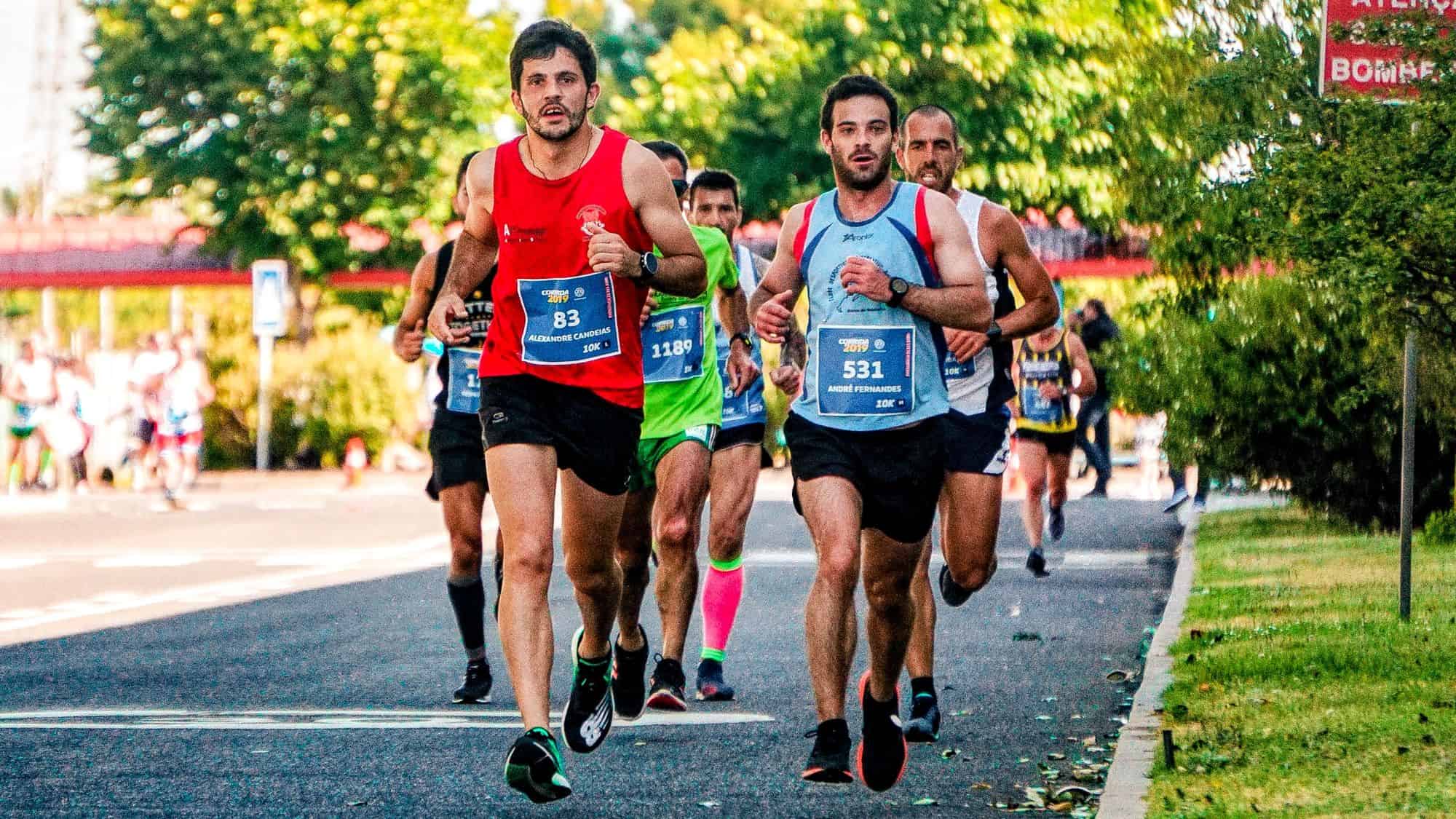
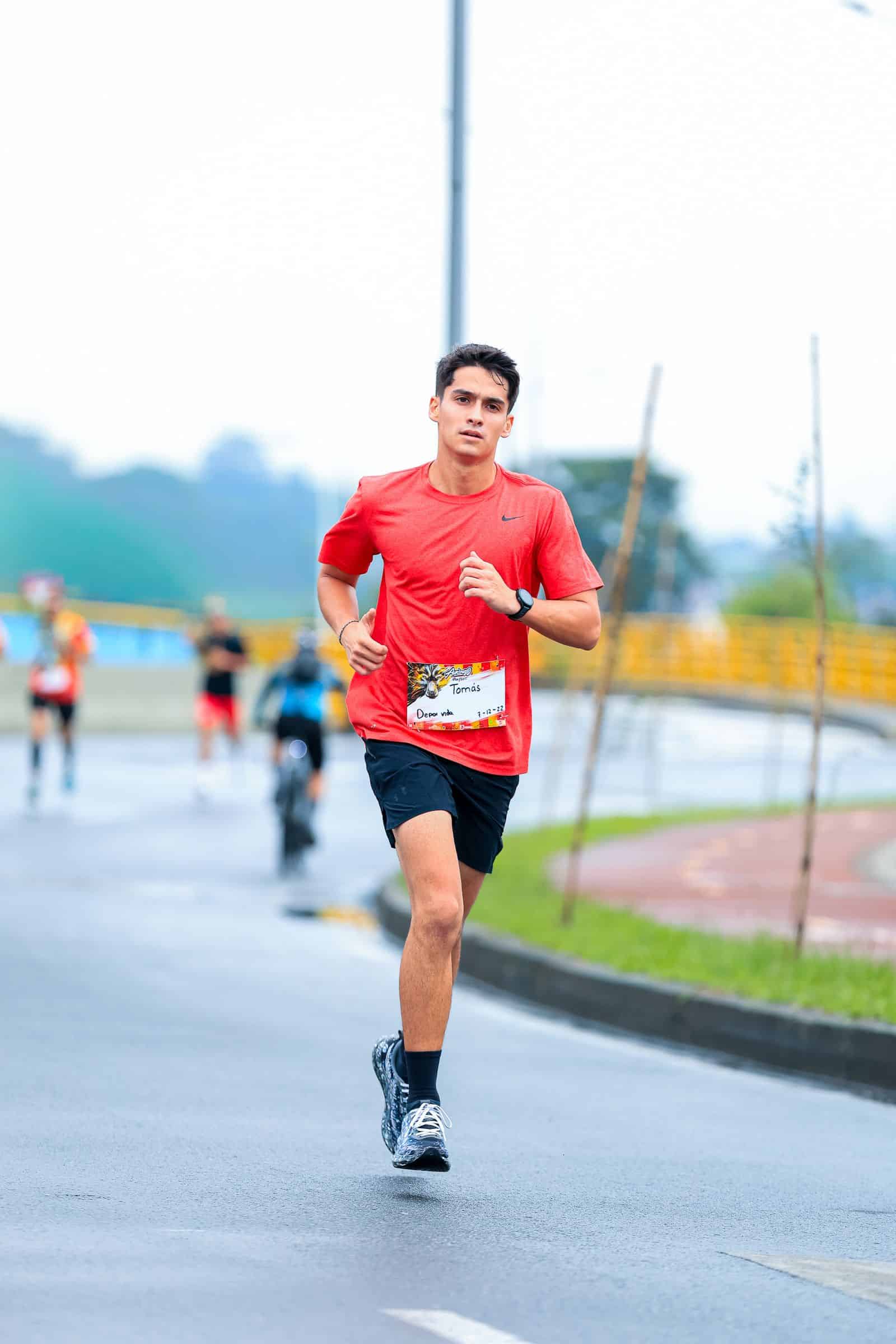
Endurance sport is a long conversation with yourself. Somewhere in a marathon, a long ride or the final leg of a triathlon, the body is working hard and the mind starts to bargain: slow down, ease off, maybe stop. Race-morning nerves, going out too fast, comparing yourself to the pack and replaying a bad race can all cost you time before fitness does. Mental coaching and hypnosis train the skills that hold up over long efforts: steady focus, calm under pressure, a plan for the hard miles and confidence in your preparation. Robert Barnett, C.Ht., PMP, MBA, is a certified hypnotherapist and mental performance coach with 35+ years of hypnosis experience. He has done distance ocean swims since age 6 and has competed in open-water swim biathlons, so he knows long, gruelling efforts firsthand. He has worked with runners, triathletes, cyclists and swimmers, along with athletes in nearly every sport, and works with endurance athletes and their parents by Zoom from anywhere.
When the mental side matters
Sound familiar?
Endurance athletes who:
Hear the voice that says stop
Hit a hard stretch and start bargaining: slow down, walk, quit. The mental wall arrives before the physical one.
Get wrecked by race-morning nerves
Wake up anxious, cannot settle before the start, or feel flat and tight in the first miles.
Go out too fast, or race scared
Burn matches early in the excitement, or hold back so much that the race is over before you try.
Struggle in the swim or the transitions
Feel panic in open water, rush through transitions or lose focus when the race changes disciplines.
Race below their training
Look strong in workouts and long runs or rides, then fall apart on race day.
Lose the drive to train
Skip sessions, dread the long ones or lose motivation after a bad race or a stalled season.
The pattern behind it
Why training doesn’t always carry into race day
In training, the stakes are low and you ride on habit and fitness. On race day, with a start line, a clock and a crowd, the same pace or climb can feel like a threat, and an automatic stress response takes over: tension, a racing heart, doubt, an urge to quit. Mileage, intervals and nutrition improve your engine, but they do not change that response, because it runs below conscious thought. That gap is what mental coaching works on.
In Robert’s experience, many endurance athletes focus on the outcome, such as the finish time, the competition or the pain, and performance tends to improve when attention shifts to the process: pace, breathing, form and the next mile.
The mental game plan
The solution: a mental plan built around your event
The work usually follows three steps, shaped around your event, your goals and your training:
Map your hard moments
We pin down when and where your race changes: the start, the middle miles, a climb, the swim, a bad patch or the final stretch.
Rehearse a better response
Hypnosis and guided visualization work at the subconscious level, where automatic reactions live, so you can rehearse the calm, focus and resolve you want before you are in the moment.
Take a plan to the course
You leave with a pre-race routine, focus cues for the hard miles and a short reset you can use when your mind starts to bargain.
Hypnosis is a state of focused attention, and it is one tool among several. Most pressure reactions, such as freezing, rushing or overthinking, are automatic habits that run below conscious thought, which is why willpower and positive thinking rarely fix them. We combine hypnosis with complementary methods: cognitive behavioral techniques (CBT) to identify and restructure the thoughts that feed doubt, NLP methods to change how you picture and respond to pressure situations, and subconscious pattern work to replace old reactions with new ones. In Robert’s experience, combining them gets results more quickly than any one alone. It is not mind control, and you stay in charge throughout.
Visualization is a core skill we teach, and we use it inside hypnosis. Research supports pairing skills: a 2025 meta-analysis of 86 studies found that imagery works better when combined with other psychological skills, which is why we pair it with hypnosis and cognitive tools.
Sessions are one-on-one by Zoom, so they fit around training, school and travel. Everything is built around your your event and the situations that trip you up. Robert offers three program lengths and recommends one after your free phone consultation. You start with a free 20-minute phone consultation. We talk through what happens when you compete and whether this is a fit. Your sessions are then held one-on-one by Zoom.
Mental coaching complements your coach’s training. It is not technical or tactical instruction in your event, coaching or medical advice about training, pacing, nutrition or injuries, it is not medical advice, and it does not replace medical or mental health care. Progress is individual; results vary.
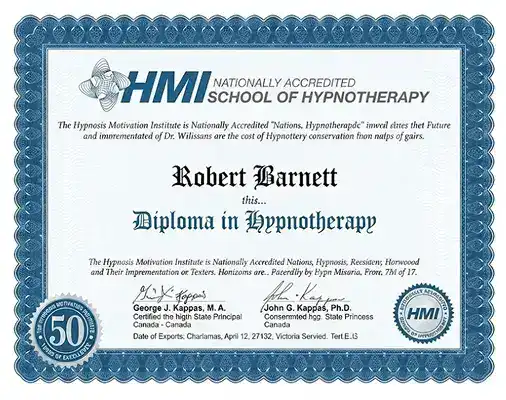 HMI · Diploma in Hypnotherapy
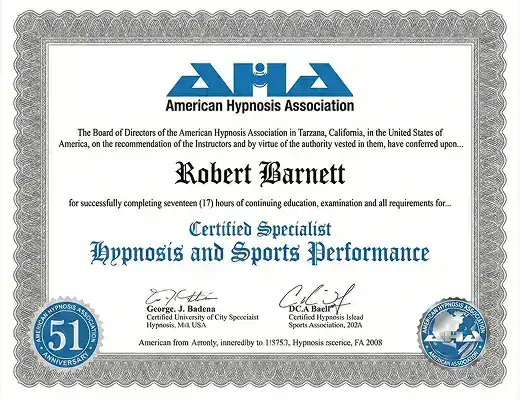 Sports Performance Training