
Climbing mental performance
Mental Coaching for Climbers
Private sessions by Zoom for climbers and boulderers, from gym climbers to competition and outdoor athletes, including fear of falling and competition nerves. Parents are welcome to start the conversation.
Book my free consultation20 minutes · No cost · No obligation
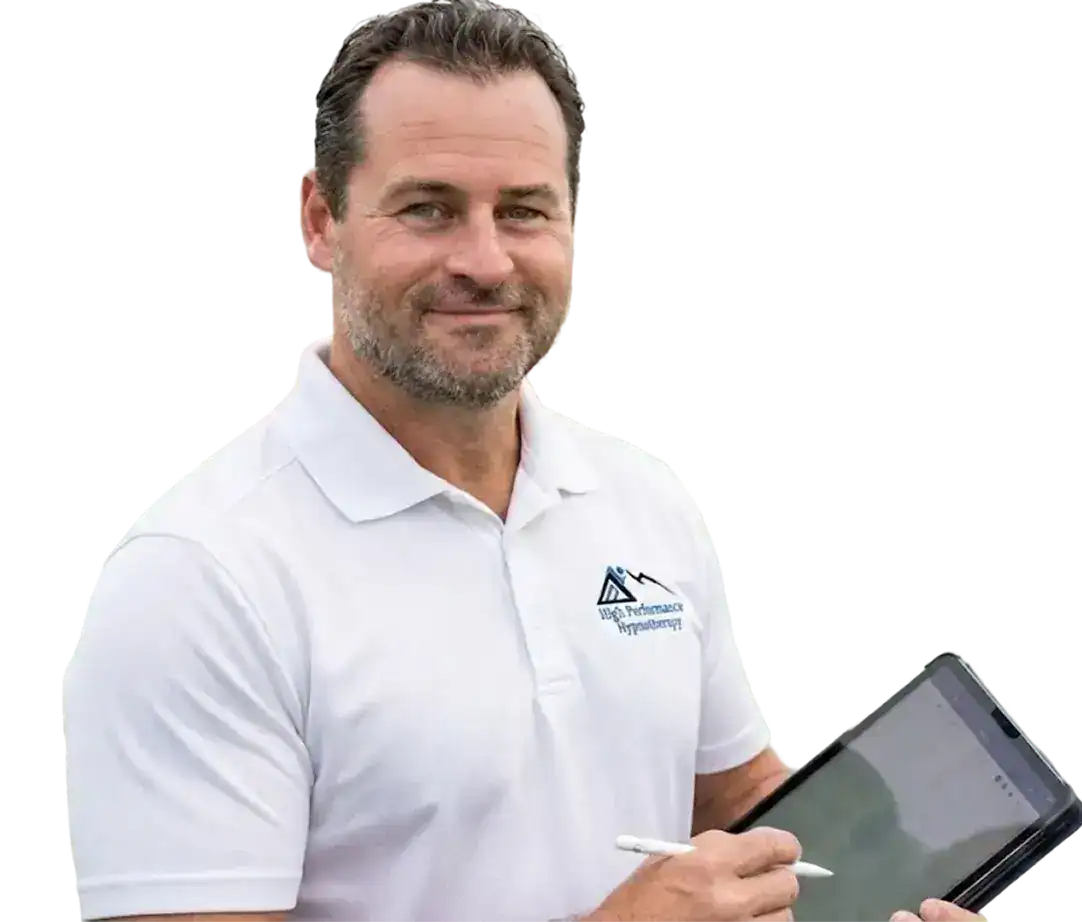
Work directly with Robert BarnettCertified Hypnotherapist · C.Ht., PMP, MBA
Free 20-minute consultation
No cost · No obligation · By phone
Climbing is as much a mental sport as a physical one. A climber can have the strength and the technique for a route and still freeze on the crux, hesitate before a dynamic move or hold back because of the fall. Fear of falling, fear of failing in front of others and the urge to overthink every hold all show up on the wall, whether you climb in a gym, in competition or outdoors. Mental coaching and hypnosis train the skills that hold up under that pressure: calm, focus, commitment and trust in your preparation. Robert Barnett, C.Ht., PMP, MBA, is a certified hypnotherapist and mental performance coach with 35+ years of hypnosis experience. He has worked with climbers and boulderers, along with athletes in nearly every sport, and works with climbers and their parents by Zoom from anywhere.
When the mental side matters
Sound familiar?
Climbers who:
Fear the fall
Hesitate to commit on lead, down-climb instead of pushing on or let fear take over above the last clip.
Freeze on the crux
Know the sequence, then tense up, over-grip and stall at the hard part.
Cannot commit to a dynamic move
Hold back from the throw, hesitate at the jump or cannot let go of a safe hold.
Climb worse in competition
Send in the gym, then lose composure with the crowd, the clock and the other climbers watching.
Get stuck on a project
Fall at the same place again and again, and the frustration and doubt start to grow.
Overthink every move
Lose flow, burn energy on worry and cannot climb instinctively.
The pattern behind it
Why gym sends don’t always carry onto the wall that matters
On a route you know well, the stakes are low and you climb on habit. In competition, on a project or high above the last piece of gear, the same moves can feel like a threat, and an automatic stress response takes over: tension, over-gripping, a racing heart, doubt. Training and technique improve your climbing, but they do not change that response, because it runs below conscious thought. That gap is what mental coaching works on.
In Robert’s experience, many climbers focus on the result, such as the send, the fall or who is watching, and performance tends to improve when attention shifts to the process: what you can control, one move at a time.
The mental game plan
The solution: a mental plan built around your climbing
The work usually follows three steps, shaped around your climbing, your goals and your fears:
Map your pressure moments
We pin down when and where your climbing changes: the crux, a lead fall, a dynamic move, a competition round or a particular project.
Rehearse a better response
Hypnosis and guided visualization work at the subconscious level, where automatic reactions live, so you can rehearse the calm, focus and commitment you want before you are on the wall.
Take a routine to the wall
You leave with a pre-climb routine, a focus cue for the hard sections and a short reset you can use after a fall or a failed attempt.
Hypnosis is a state of focused attention, and it is one tool among several. Most pressure reactions, such as freezing, rushing or overthinking, are automatic habits that run below conscious thought, which is why willpower and positive thinking rarely fix them. We combine hypnosis with complementary methods: cognitive behavioral techniques (CBT) to identify and restructure the thoughts that feed doubt, NLP methods to change how you picture and respond to pressure situations, and subconscious pattern work to replace old reactions with new ones. In Robert’s experience, combining them gets results more quickly than any one alone. It is not mind control, and you stay in charge throughout.
Visualization is a core skill we teach, and we use it inside hypnosis. Research supports pairing skills: a 2025 meta-analysis of 86 studies found that imagery works better when combined with other psychological skills, which is why we pair it with hypnosis and cognitive tools.
Sessions are one-on-one by Zoom, so they fit around training, school and travel. Everything is built around your climbing and the situations that trip you up. Robert offers three program lengths and recommends one after your free phone consultation. You start with a free 20-minute phone consultation. We talk through what happens when you compete and whether this is a fit. Your sessions are then held one-on-one by Zoom.
Mental coaching complements your coach’s training. It is not technical or tactical instruction in climbing, safety training or technical coaching, it is not medical advice, and it does not replace medical or mental health care. Progress is individual; results vary.
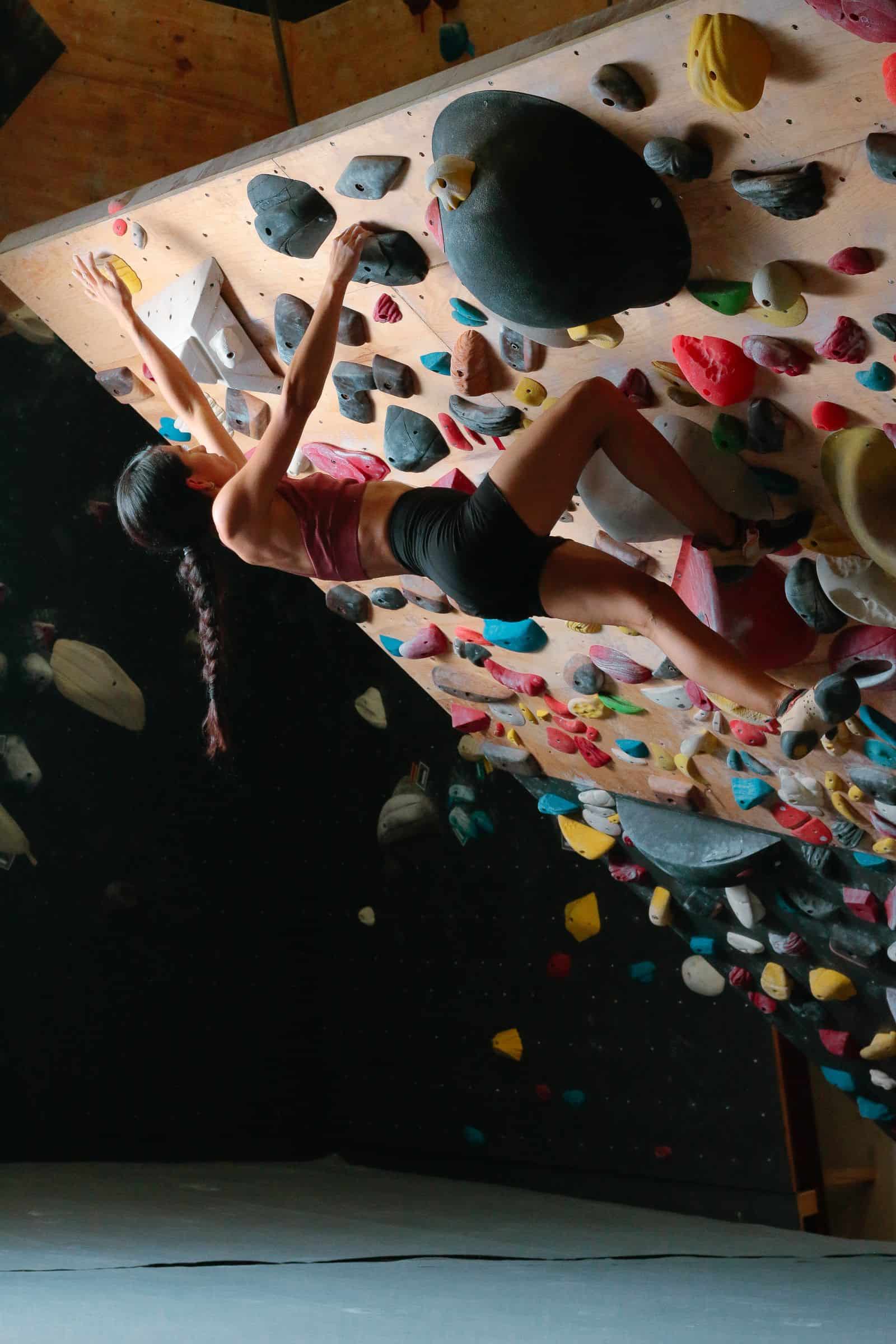
Every grade. Every style.
Commit
to the move.
Every climber’s fears and pressure points are different. The work is built around your climbing, your schedule and the moves that stop you.
- A pre-climb routine you can repeat
- A plan for the fall, the crux and the project
- A calm, focused approach to competitions
For parents and guardians
How it works for climbers under 18
For climbers under 18, a parent or guardian contacts Robert first. The free 20-minute phone consultation is a chance to talk about your child’s goals, whether the timing is right, and how sessions would work. The details of parent involvement are discussed there.
Robert has worked with athletes as young as 6 in several sports, and finds that engagement with the work becomes more consistent around ages 8 to 10. Sessions are private, one-on-one by Zoom, and fit around school and practice. You will get a clear plan for what to expect, and no obligation to continue.
In their words
What athletes and parents say
High Performance Hypnotherapy has 65+ five-star reviews on Google. The reviews below are quoted as posted by athletes and parents across several sports. Individual experiences vary and results are not guaranteed.
“Robert is dedicated and professional. He provides a weekly email, where he recaps his session with my daughter in a very detailed manner. His invaluable insights helped my daughter overcome her sports/performance related fears. We hope our daughter uses the tools she has learned throughout her sports career and in all aspects of her life.”
Parent of a young athlete, Google review, 5 stars
“Dr. Barnett’s services are truly life-changing and I would recommend them to everyone. Over the course of 5 sessions, Dr. Barnett helped me rebuild how I mentally approach every part of my life. I am happier, more focused and performing better in sports, school and beyond as a result of his work.”
Student-athlete, Google review, 5 stars
“At first I was very open minded yet skeptical, but from the moment I talked to Dr. Robert I realized why hypnotherapy and how high performance coaching processes the information is a major advantage in reaching your goals.”
Student-athlete, Google review, 5 stars
More client stories are on our client reviews page.
Meet your mental coach
About Robert Barnett
Robert Barnett is a certified hypnotherapist (C.Ht.) with a PMP and an MBA. He has practiced hypnosis for more than 35 years and runs High Performance Hypnotherapy from Trumbull, CT, working with executives, business owners and competitive athletes worldwide, including college and high school athletes. Learn more about Robert. Robert competed at a high level himself and knows sports anxiety from the inside: it built through years of competition in high school and college, with teammates counting on him and his name known across campus. He has worked with athletes in nearly every sport, from youth and high school to college and professional levels, and the conversation begins with your experience and the change you want to make.
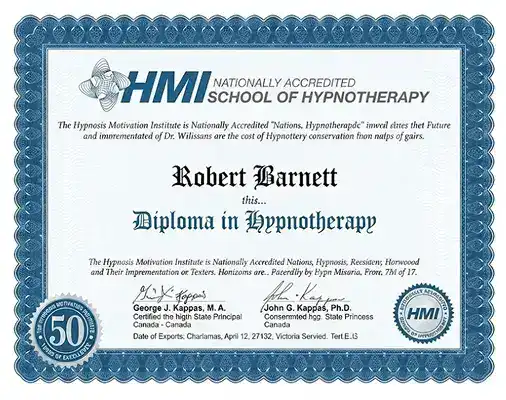 HMI · Diploma in Hypnotherapy
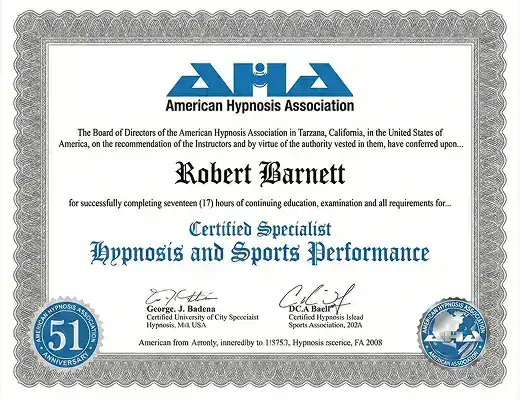 Sports Performance Training